
Short answer
Managing a hotel in Egypt is the same core business as anywhere: rooms, staff, pricing, distribution and costs, run under local conditions. Demand follows different patterns in Cairo and Giza, on the Red Sea and in the Nile destinations; guests come from many markets; OTAs and reviews carry a lot of weight; and staffing and maintenance need steady attention. An owner can run the hotel personally, hire a general manager, outsource parts of the work or appoint a management company.
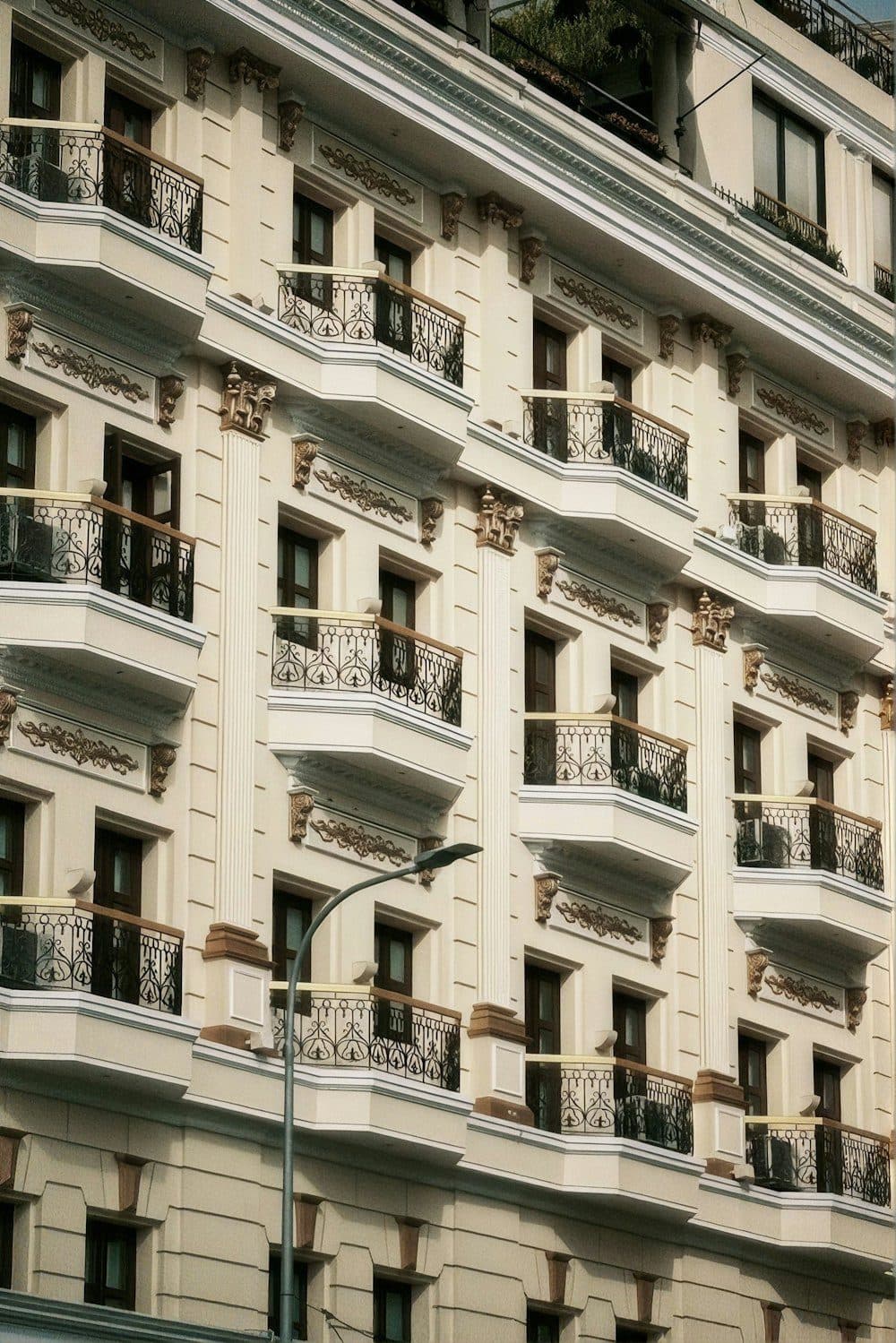
The kinds of hotel properties in Egypt
Hotel properties in Egypt range from small guesthouses in converted apartments to large resorts, and each type puts the management effort in a different place. Knowing which type the hotel really is, and which guests it serves, is the first step in deciding how it should be run.
The main types an owner is likely to deal with are:
- Independent city hotels: hotels without a brand, often in central districts, serving a mix of leisure, business and transit guests. Pricing, online distribution and a consistent operation decide most of the result.
- Boutique hotels: small properties that sell a character, a design or a location. Guest experience, reviews and photos matter as much as the room itself, and the team is usually small, so each person covers several roles.
- Hostels and budget properties: shared and private rooms for travelers watching their spending. They depend on online platforms, reviews and tight control of costs and cleanliness.
- Serviced and hotel apartments: units with kitchens for longer stays, families and groups. Housekeeping schedules, maintenance of equipment in each unit and clear house rules need particular attention.
- Resorts: larger properties, often on the coast, with restaurants, pools and leisure facilities. They have more departments, larger teams and a stronger link to tour operators and seasonal demand.
- Buildings converted into hotels: residential or office buildings adapted for hotel use. The building itself shapes what the hotel can offer, and the work often starts before opening.
What is different about running a hotel in Egypt
The disciplines are universal, but several local conditions affect how they are applied. None of them is unique to Egypt, and the details vary by property, location and year, but together they shape the work of whoever runs the hotel.
Seasonality is not the same across the country. City hotels in Cairo and Giza usually serve leisure, business, group and transit guests, so demand tends to be spread across more of the year, though it still rises and falls. Red Sea resorts tend to follow the holiday calendars of their main source markets. In Nile destinations such as Luxor and Aswan, the weather often shapes the main season. Each hotel should read its own booking history rather than assume a national pattern.
The other conditions an owner should plan for:
- Guests from many markets: international leisure travelers from different countries, visitors from the Arab region, business travelers and domestic guests, each with different languages, booking habits and expectations. Front office staff need language skills, and online content often needs more than one language.
- Heavy use of OTAs: many guests find and book hotels through online travel agencies, so the quality of the listings, the rate and availability management and the commission cost of each channel matter a great deal.
- Reviews: guests compare review scores before booking, and a repeated complaint can affect sales across several platforms at once.
- Staffing and training: hiring is one part of the work; training, supervision and keeping good staff are the larger part, especially in front office and housekeeping.
- Utilities and maintenance: air conditioning works hard in hot months, older buildings may need regular attention to plumbing, electrics and lifts, and water tanks and pumps need routine checks. Many hotels also plan backup arrangements for power and water.
- Licensing and classification: the licences a hotel needs and its official classification depend on the property type, its location and the requirements of the competent authorities. They must be confirmed with those authorities, with qualified advice, before opening or changing the use of a building.
The management models open to an owner
An owner does not have to choose between doing everything personally and handing over the whole hotel. There are several models, and some hotels combine them. Terms and scopes vary between providers, so each one should be read in its written agreement. The main models are:
- Run it yourself: the owner manages the hotel directly with a small team. This keeps full control and avoids a management fee, but depends on the owner’s hotel experience and time, and the business can stall when the owner is away.
- Hire a general manager: an experienced manager runs the hotel and reports to the owner. Results depend heavily on one person, and the owner still needs a way to check the numbers and the operation.
- Outsource parts: the owner or the general manager runs the building and the staff, while specialists handle a specific area, such as online and commercial management, revenue and distribution, accounting, recruitment or staff training.
- Full management by an independent company: a management company operates the whole hotel, inside and online, under the owner’s own name or brand, and reports to the owner, who keeps the property and the financial results.
- Branded hotel or franchise: an international or regional hotel brand either operates the hotel under a management agreement, or licenses its name, standards and systems under a franchise while the owner or another operator runs it. A brand brings recognition and distribution, but also fees, design and service requirements and usually long agreements, and not every property fits a brand’s criteria.
How to choose the right model
The right model depends on the hotel and on the owner, not on what other owners do. A sound operation with weak online sales needs a different answer from a hotel with service and staffing problems. The decision becomes clearer when the owner answers a few questions honestly:
- How much hotel experience and time do I have, and do I want to be involved every day?
- What type and size of property is it, and which guests does it serve?
- Where are the weak points today: sales and pricing, the online side, operations and service, staff, or costs?
- How much control do I want to keep over prices, spending and hiring, and what reports do I need to keep that control?
- What are my plans for the property: to hold it, expand it, reposition it or sell it?
- Once the model is clear, the choice of provider follows. How to compare management companies is covered in our guide to choosing a hotel management company.
What good management covers under any model
Whoever runs the hotel, the same areas need an owner and a routine. Revenue and distribution set the prices and decide where the rooms are sold; our guides to revenue management, Booking.com performance and direct bookings cover these in detail. Operations turn the rooms into a consistent stay through front office, housekeeping, maintenance and written standards; our guide to hotel SOPs explains how those standards are written.
People come next: recruiting, training and scheduling staff so that service does not depend on who is on shift. Finally, control: an annual budget, cost control and a short list of KPIs that the owner reviews regularly. Our guide to the KPIs every hotel owner should track explains which measures matter. A model that leaves any of these areas without a clear owner usually shows the gap in the results.
Common mistakes
Many owners in Egypt face the same choices, and some mistakes repeat. Typical ones include:
- Assuming one season pattern for every location, instead of reading the hotel’s own booking history.
- Relying on one OTA for most of the business without managing the cost and the risk of that dependence.
- Treating reviews as a marketing issue while the operational causes of complaints stay unfixed.
- Hiring staff without a training plan, written standards or supervision.
- Leaving maintenance until something breaks, especially air conditioning, water and lifts.
- Opening or converting a building before confirming licensing and classification requirements with the authorities.
- Choosing a management model by fee alone, or signing an agreement without a written scope, budget process, reporting and exit terms.
- Not keeping ownership of the hotel’s online accounts, website, guest data and system logins in the owner’s name.
How to start
First, describe the property honestly: its type, its location, the guests it serves and the condition of the building.
Second, collect the facts you have: occupancy, average rates and revenue by month, the channel mix, payroll and main costs, review scores, and a list of the systems and online accounts the hotel uses.
Third, name the problems you want solved and decide how involved you want to be. This points to a model: running it yourself, a general manager, outsourced parts, full management or a brand.
Fourth, check the regulatory side early. Confirm licensing and classification requirements with the competent authorities, especially for a new hotel or a converted building.
Finally, if you bring in outside help, ask for a review of the property before any proposal, and agree the scope, the budget, the approval limits and the reports in writing before the start date.
MMC Hotels is a hotel management company with its office at 2 Champollion Street in Cairo, and has managed hotels in Cairo and Giza since 2004, from downtown hostels to boutique hotels. Owners can work with MMC at three levels: Build, Hotel Brand & Digital Setup; Grow, Online Hotel Management; and Manage, Full Hotel Management. Pre-opening, revenue and distribution, staffing and training are also offered as separate services.