
Short answer
A hotel runs through departments that work around the clock. Front office and reservations sell and receive the stay, housekeeping prepares the rooms, maintenance keeps the building working, food and beverage serves guests where the hotel has it, security protects people and property, and the back office handles accounts, purchasing and staff. Shift handovers, fixed daily routines and the general manager hold them together, and quality checks keep standards consistent.
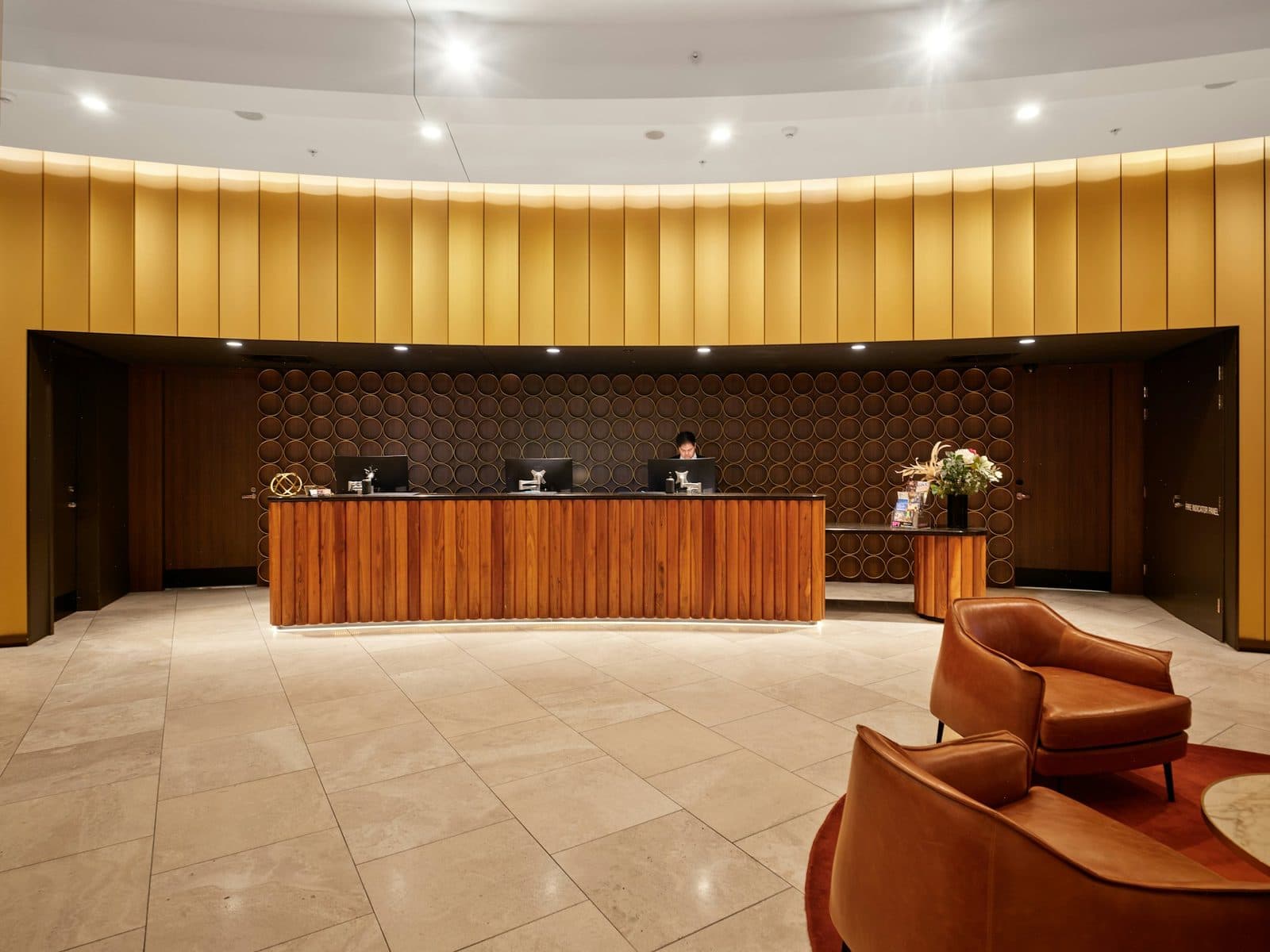
The departments and what each one does
Hotel operations are the daily work that turns a building into a stay. The structure varies with size and type: in a small hotel one person may cover reception and reservations, while a large resort has a separate team and manager for each function. The functions themselves are much the same everywhere:
- Front office: welcomes and checks in guests, handles check-out and payments, answers questions, assigns rooms and keeps the guest record in the PMS. In many hotels guest relations sits here too.
- Reservations: answers inquiries, takes and changes bookings from every channel, and keeps rates and availability correct. In smaller hotels it is part of the front office; in others it works closely with revenue management.
- Housekeeping: cleans and prepares rooms and public areas, manages linen and guest supplies, inspects rooms before releasing them to the front office, and handles lost property. In many hotels it is the largest operational team.
- Maintenance: keeps the building and its systems working, from air conditioning, plumbing and electrics to lifts, water and fire systems, through planned preventive work as well as repairs.
- Food and beverage, where the hotel has it: breakfast, restaurants, room service, bars and events, with the kitchen, stores and hygiene standards behind them.
- Security: protects guests, staff and property, controls access, monitors cameras where they are installed, and leads the response to incidents and emergencies together with the manager on duty.
- Back office: accounts, purchasing and stores, human resources and payroll, and IT. Guests rarely see it, but every other department depends on it.
Shifts and handovers
Front office and security usually work around the clock in shifts, housekeeping works mainly during the day, and maintenance often keeps someone on call at night. Every change of shift is a point where information can be lost, which is why the handover is one of the most important routines in a hotel.
A good handover is written as well as spoken. Many hotels use a logbook, on paper or in the PMS, which the outgoing shift completes and the incoming shift reads and signs. It typically covers:
- Arrivals still expected, departures pending and any room moves.
- Guests with special requests, complaints in progress or problems to follow up.
- Rooms out of order and maintenance requests not yet closed.
- Cash and payments: the float counted and handed over, and any difference explained.
- Incidents, security matters and anything the manager on duty needs to know.
Daily and weekly routines
The night shift usually has one more task, the night audit: checking the day’s transactions in the PMS, posting room charges, reconciling payments and closing the business day so that the next morning’s reports are correct. The exact steps depend on the PMS and the hotel’s procedures.
From there, operations run on routines that repeat at the same time every day, and a hotel feels calm when they do. A common rhythm looks like this, though every hotel adapts it:
- Early morning: the night audit reports, the day’s arrivals and departures, and the housekeeping room list.
- Morning briefing: a short meeting of department heads or shift leaders with the general manager or the manager on duty, covering occupancy, group or special arrivals, rooms out of order, complaints and anything unusual.
- During the day: room cleaning and inspection, release of clean rooms to the front office, maintenance rounds and follow-up of guest requests.
- Evening: a check of arrivals still due, a review of the day’s complaints, and the handover to the night shift.
- Weekly: a meeting on the forecast for the coming weeks, staff schedules, preventive maintenance, purchasing and the main guest feedback.
- Monthly: stock counts, department reviews and the report to the owner, which the guide The Monthly Hotel Management Report describes.
The general manager’s role
The general manager is responsible for the whole hotel: the operation, the team, guest satisfaction, the commercial results and the budget. In a small hotel the general manager may also cover sales or revenue; in a larger one, the general manager leads a team of department heads.
Day to day, the job is less about doing tasks than about making the system work: chairing the morning briefing, walking the hotel to see what guests see, settling issues between departments, approving spending within the agreed limits, and being reachable when something serious happens. A simple test is whether the hotel runs normally on the general manager’s day off. If it does not, the hotel depends too much on one person.
The general manager is also the link with the owner. Whether the hotel is run by the owner’s own team or by a management company, the general manager is normally the person who presents the results and asks for decisions. The steps for each routine task belong in written standard operating procedures, which the guide Hotel SOPs covers.
Quality control, and the link with the commercial side
Quality control checks that standards are met every day, not only when a manager is watching. Common tools include housekeeping room inspections, manager walk-arounds with a checklist, periodic audits of each department, follow-up of every guest complaint until it is closed, and reading reviews for recurring issues. Findings should lead to training or a better procedure, not only to blame.
Operations and the commercial side depend on each other. Reservations and pricing decisions tell operations how many guests to expect and when, so housekeeping and the front office can plan their staff. In return, operations tell the commercial side what the hotel can actually deliver. A room out of order has to be closed for sale in the PMS and the channel manager, or the hotel risks selling a room it cannot provide. A service problem shows up in reviews, which affects how well the hotel sells. For this reason many hotels hold a regular meeting between the front office, reservations and whoever manages revenue.
Common mistakes
Most operational problems come from a small number of habits:
- Spoken handovers with nothing written down, so problems disappear between shifts.
- Releasing rooms to the front office before they are inspected.
- Treating maintenance as repair only, with no preventive plan.
- Departments that work as separate units and blame each other for guest problems.
- A general manager who does every task personally and becomes the bottleneck.
- Rooms out of order that are still open for sale in the booking systems.
- Staff schedules set by habit rather than by the expected number of guests.
How to start: review your own operation
First, draw a simple chart of the departments in your hotel, who leads each one and who covers each shift. Check that every function above has someone responsible, even if one person covers several.
Second, read a week of handover logs and night audit reports. If they do not exist or are incomplete, start there.
Third, attend the morning briefing, or start one, and see whether it ends with clear actions and names.
Fourth, walk the hotel with a checklist: a few rooms after inspection, the public areas, the back-of-house areas and the open maintenance list.
Finally, check how the front office, reservations and housekeeping share information on rooms out of order and expected arrivals, and close the gaps one department at a time.
At MMC Hotels, running the front office, housekeeping, guest relations, maintenance, food and beverage where the hotel has it, purchasing, inventory and quality control is the work of Hotel Operations Management, the operational side of Full Hotel Management at the Manage level. Hotel Staffing & HR Management, which covers recruitment, scheduling, training and performance, is also offered on its own.